
Product Overview
M55302 Connectors
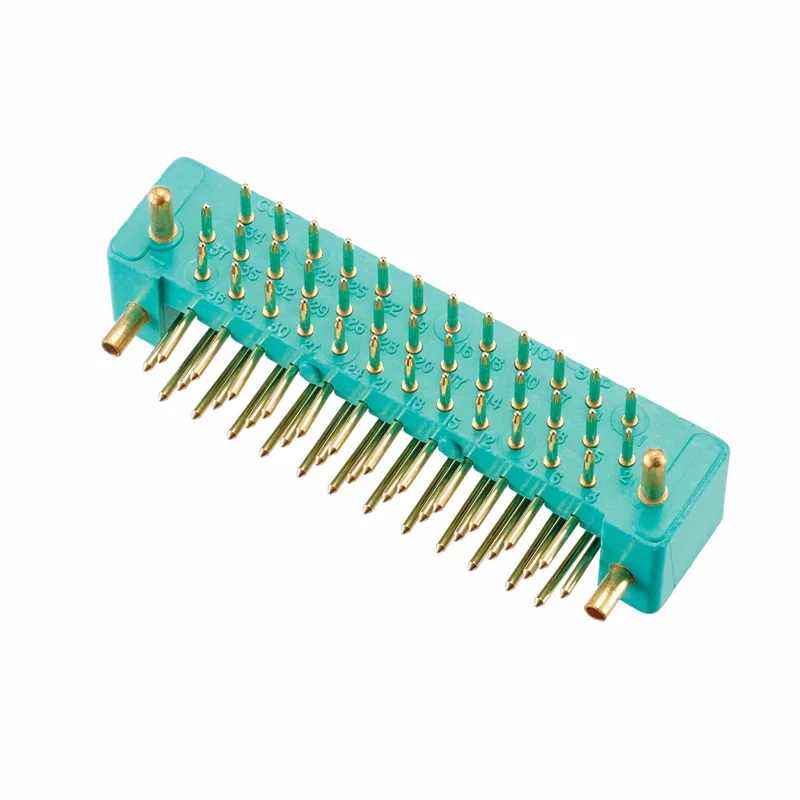
MIL-DTL-55302 (formerly MIL-C-55302) specifies requirements for high-density, microminiature rectangular electrical connectors, commonly known as Micro-D connectors. These connectors are designed for applications where extreme miniaturization, high contact density, and reliable performance in harsh environments are critical. They are extensively used in military, aerospace, medical, and industrial electronics where space and weight are severely limited.
M55302 connectors utilize a unique "twist-pin" contact system (or similar high-reliability contact technology) that provides superior mating reliability and resistance to vibration and shock. Their robust construction, often with metal shells and precise contact spacing, ensures excellent electrical performance and EMI/RFI shielding. The standard covers various configurations, including wired, PCB mount, and custom arrangements, making them highly adaptable for complex electronic systems.
Features and Benefits
- Microminiature & High-Density: Offers extremely small size with a very high number of contacts, enabling significant space and weight savings.
- High Reliability (Twist-Pin Contacts): Utilizes advanced contact technology for superior mating reliability, low contact resistance, and excellent performance under vibration and shock.
- Robust Construction: Durable materials and design ensure mechanical stability and resistance to harsh environmental conditions.
- EMI/RFI Shielding: Metal shells provide effective shielding against electromagnetic and radio-frequency interference.
- Environmental Sealing: Provides sealing against moisture, dust, and other contaminants for reliable operation in challenging environments.
- Versatile Configurations: Available in wired, PCB mount (through-hole, surface mount), and custom arrangements, offering high design flexibility.
- Long Mating Life: Designed for a high number of mating cycles without significant degradation of performance.
- Hermetic Sealing Options: Specialized versions can provide hermetic sealing for vacuum or pressure applications.
Specifications, Parts, and Filters
Similar Products
More From This Category
 M28804 Connectors
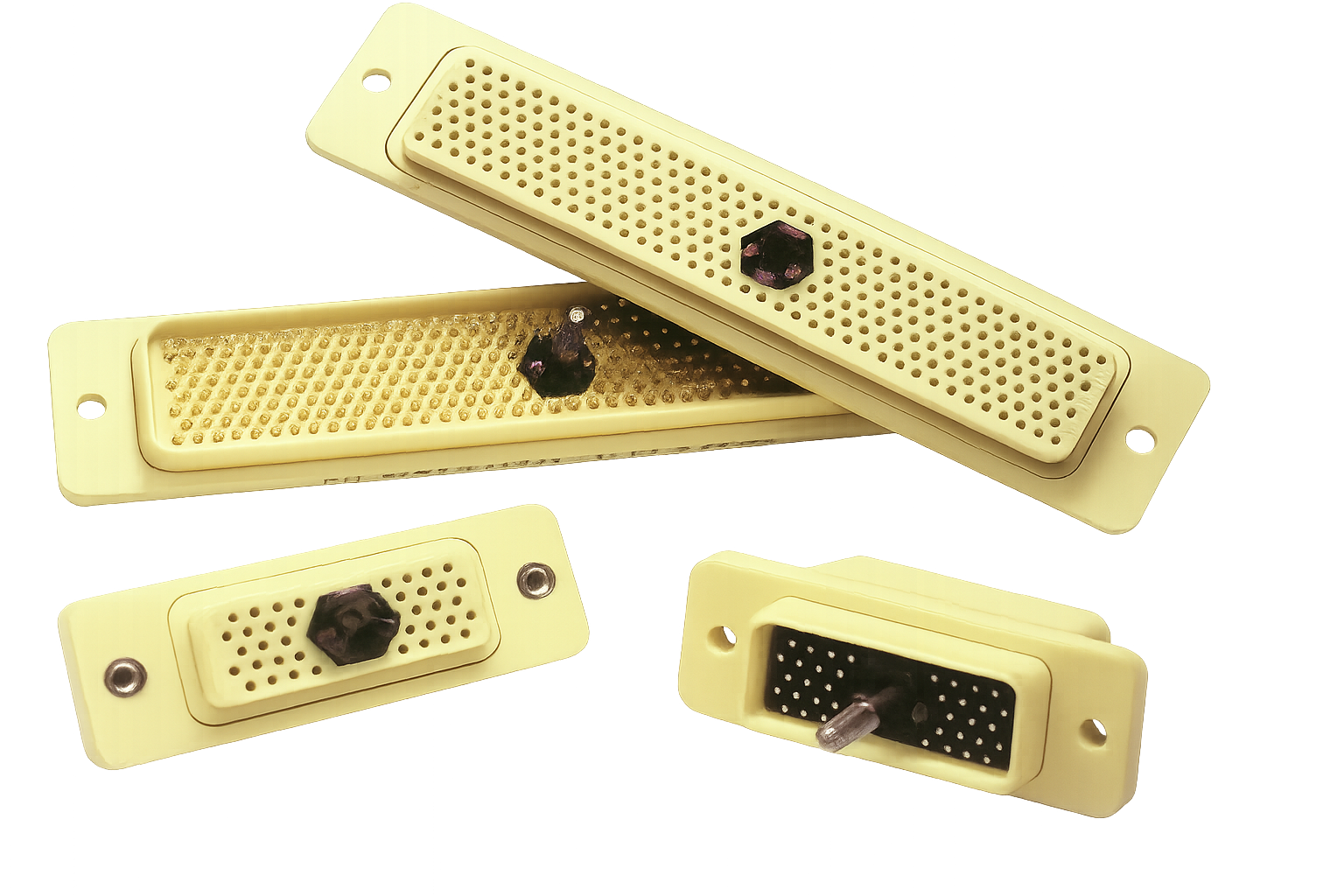
Aptiv Interconnect's M28804 connectors are rectangular, high-density plug and receptacle connectors designed...
 M83513
Aptiv Interconnect specializes in high-density, microminiature D-subminiature (Micro-D) electrical connectors that adhere...
 M32139 Connectors
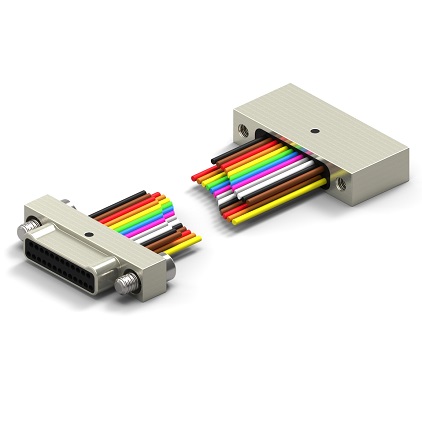
Aptiv Interconnect's (legacy website: www.ultimateconnector.com) M32139 connectors are engineered to meet military...
Find the Right Product for the Design
Access robust technical resources and expert engineering support to create interconnect solutions designed for demanding environments. From standard components to fully customized designs, we support every stage of the development process.