
Product Overview
Flexible Low Loss Cable
Flexible Low Loss Cables are advanced coaxial cables engineered to minimize signal attenuation (loss) and maintain signal integrity across a broad range of frequencies, even in applications requiring frequent flexure or tight bends. Unlike standard coaxial cables, these high-performance cables utilize specialized dielectric materials and shielding constructions, such as DynaCore® PTFE dielectric technology as seen in Aptiv's DynaFlex® Cable Series, to significantly reduce signal degradation. Their inherent flexibility makes them ideal for dynamic applications, short-run connections, and complex routing within compact electronic systems, ensuring optimal performance in critical RF and microwave applications.
Features and Benefits
- Lower Attenuation: Minimizes signal loss, especially at higher frequencies, for improved system efficiency.
- Excellent Phase Stability: Maintains consistent electrical length and phase even when bent, crucial for sensitive applications like phased array antennas.
- Broadband RF & Microwave Performance: Operates across wide frequency ranges (DC to 40 GHz and beyond) for diverse applications.
- High Flexibility & Durability: Withstands repeated bending and movement without compromising performance.
- Space & Weight Savings: Allows for tighter bend radii, easier routing, and up to 40% weight reduction.
- Superior Shielding Effectiveness: Multi-layered shielding prevents external interference and minimizes RF leakage.
- Reduced Rework Costs: Robust core designs protect against damage, reducing field failures and maintenance.
Specifications, Parts, and Filters
Similar Products
More From This Category
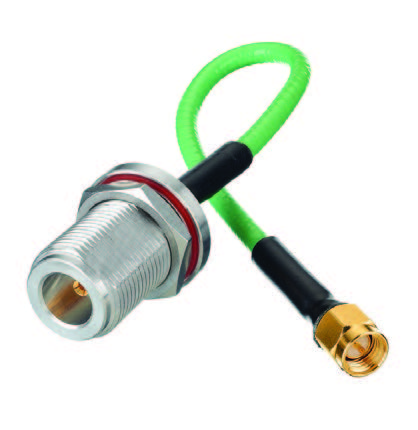 Flexible Cable
Flexible RF Cables are essential to provide reliable signal transmission in applications...
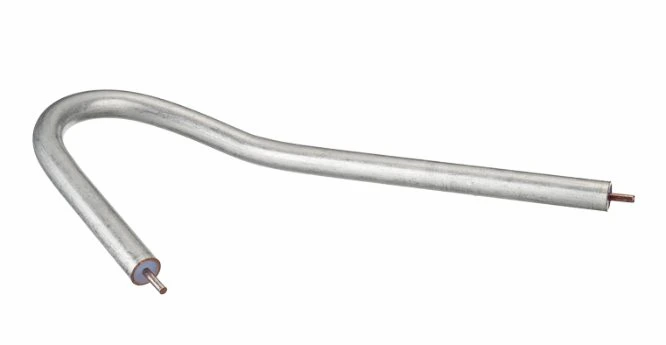 Semi-Rigid Cable
Aptiv Interconnect's semi-rigid cables offer superior performance for critical applications, featuring a...
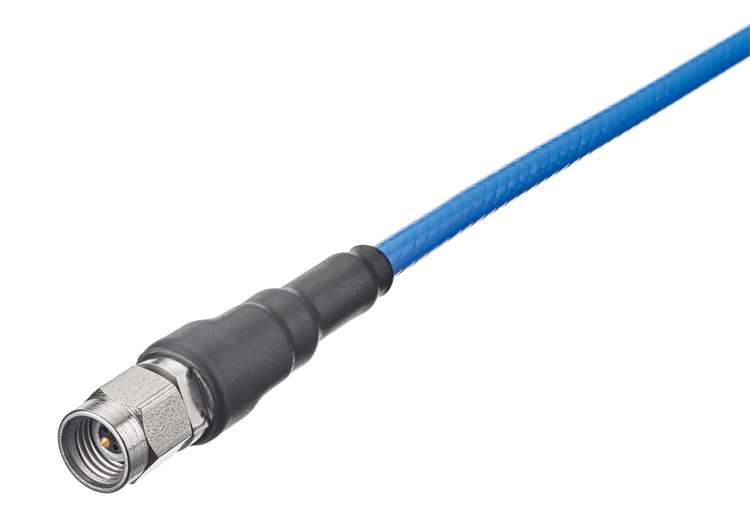 Phase Stable Cable
Aptiv Interconnect's Phase Stable Cables are high-performance coaxial cables engineered for applications...
Find the Right Product for the Design
Access robust technical resources and expert engineering support to create interconnect solutions designed for demanding environments. From standard components to fully customized designs, we support every stage of the development process.