
Product Overview
Phase Stable Cable
Aptiv Interconnect's Phase Stable Cables are high-performance coaxial cables engineered for applications demanding unwavering electrical length and phase consistency. Designed to resist variations caused by temperature changes, mechanical stress, and long-term use, these cables are critical for high-frequency RF and microwave systems where even minor phase shifts can compromise performance. Our meticulous selection of dielectric materials, optimized conductor geometries, and advanced shielding constructions ensure precise timing, accurate signal summation, and repeatable measurements, making them indispensable for your most demanding critical systems.
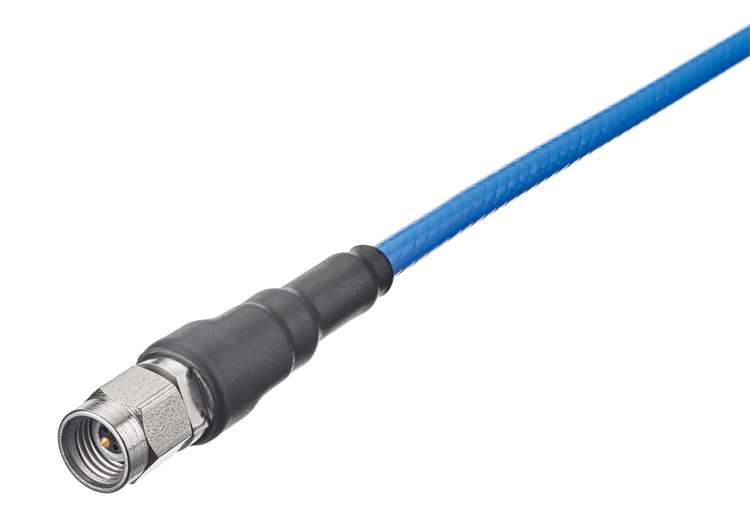
Features and Benefits
- Minimal Phase Change with Temperature: Stable performance across varying thermal environments due to low coefficient of phase change.
- Excellent Phase Stability with Flexure: Consistent phase even when bent, ideal for dynamic applications.
- Enhanced Measurement Accuracy & Repeatability: Provides a stable baseline for precise test and measurement.
- Superior Signal Coherence: Prevents destructive interference and maximizes signal strength for multi-signal applications.
- Reduced System Calibration Needs: Minimizes frequent recalibration, saving time and resources.
- Low Loss & Good VSWR: Efficient power transfer alongside phase stability.
Specifications, Parts, and Filters
Similar Products
More From This Category
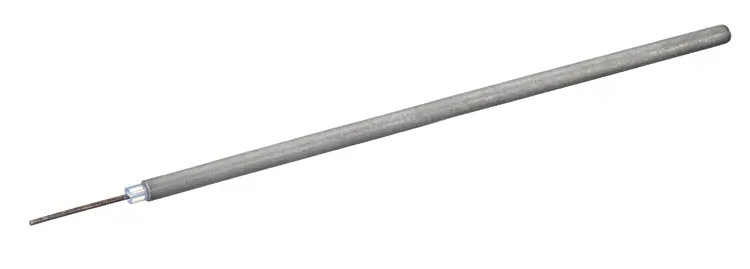 Flexible Low Loss Cable
Flexible Low Loss Cables are advanced coaxial cables engineered to minimize signal...
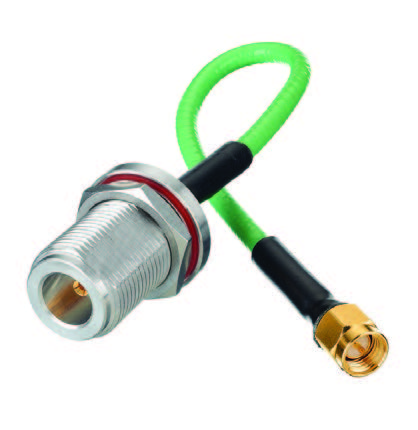 Flexible Cable
Flexible RF Cables are essential to provide reliable signal transmission in applications...
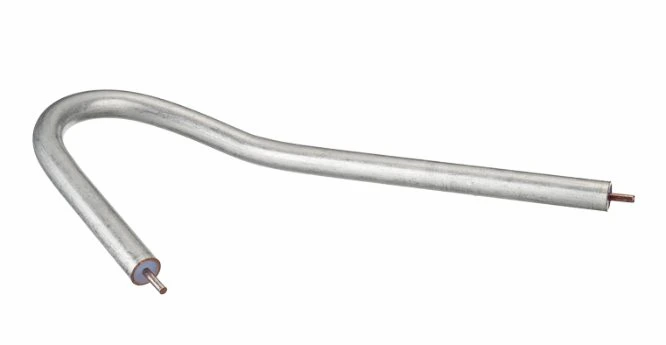 Semi-Rigid Cable
Aptiv Interconnect's semi-rigid cables offer superior performance for critical applications, featuring a...
Find the Right Product for the Design
Access robust technical resources and expert engineering support to create interconnect solutions designed for demanding environments. From standard components to fully customized designs, we support every stage of the development process.