
Product Overview
MCX & MMCX Series RF Connectors
Aptiv Interconnect's MCX and MMCX RF connectors offer compact, high-performance solutions for space-constrained applications. Both series feature a user-friendly snap-on coupling and operate up to 6 GHz. They are ideal for wireless communication, GPS, automotive, and portable electronics. The MMCX series is even smaller than the MCX, providing greater design flexibility.
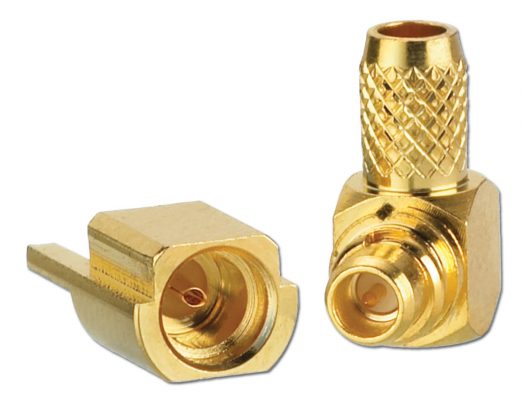
Features and Benefits
- Miniature to Micro-Miniature Size: For space-constrained applications, enabling higher density.
- Snap-On Coupling Mechanism: Quick, tool-less mating and un-mating.
- 50 Ohm Impedance: Standardized for RF system compatibility.
- Good Electrical Performance: Low VSWR and insertion loss up to 6 GHz.
- Lightweight: Ideal for portable and weight-sensitive devices.
Specifications, Parts, and Filters
Similar Products
More From This Category
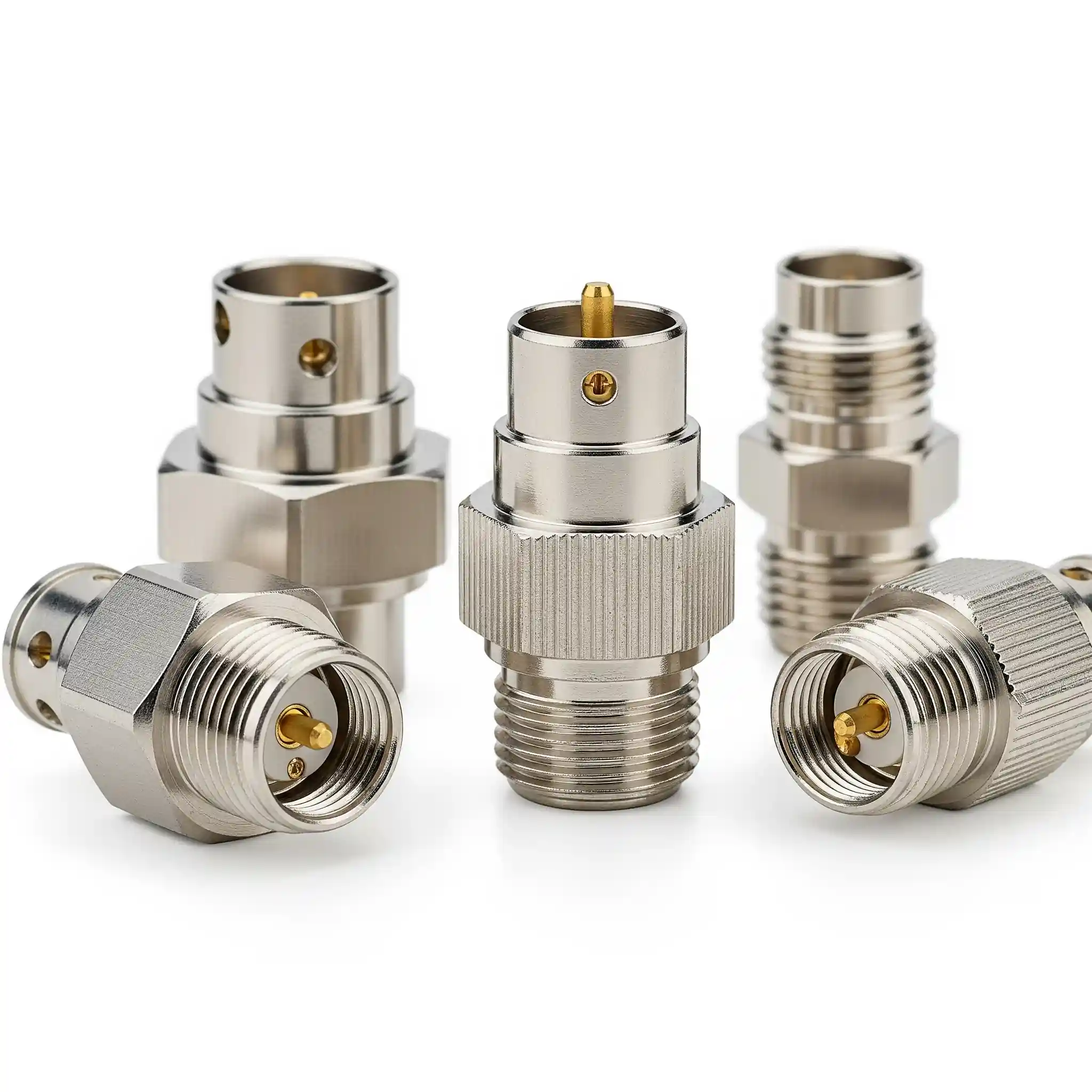 HN Series RF Connector
The HN Series RF coaxial connector from Aptiv Interconnect is a robust,...
 LC & LT Series RF Connectors
Aptiv Interconnect's LC and LT Series RF connectors are robust, threaded coaxial...
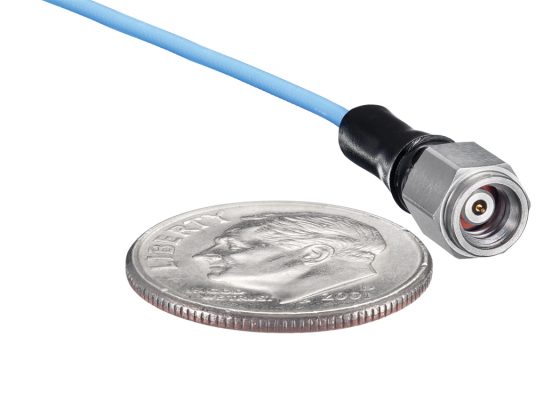 1mm Series RF Connector
The 1mm Series RF connector (W1 connector) is Aptiv Interconnect's top solution...
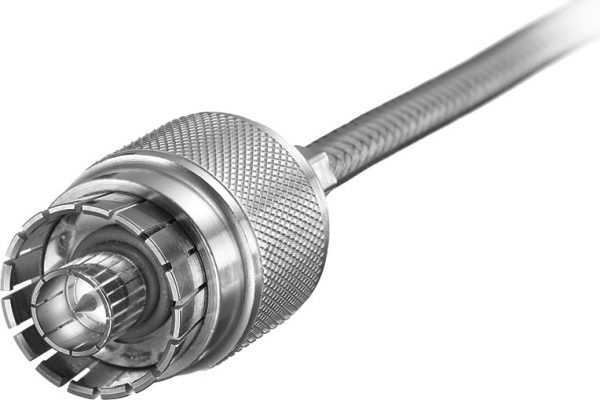 N Series RF Connector
The N Series RF connector (Type N) by Aptiv Interconnect is a...

Find the Right Product for the Design
Access robust technical resources and expert engineering support to create interconnect solutions designed for demanding environments. From standard components to fully customized designs, we support every stage of the development process.