
Product Overview
Triax Series Connectors
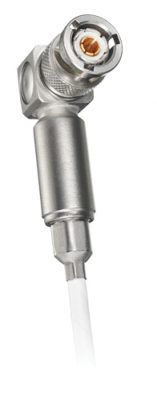
Aptiv Interconnect's Triax Series connectors are engineered for superior signal integrity in the most demanding applications. Designed for triaxial cables with three concentric conductors, these connectors offer significantly enhanced shielding and noise immunity by isolating signal and ground paths and eliminating ground loops. This robust and reliable design ensures exceptionally clean signal transmission, making Triax connectors essential for highly sensitive measurement, video, and data applications where external interference must be minimized and signal integrity is paramount. All Aptiv Interconnect
Features and Benefits
- Superior Noise Immunity: Blocks EMI/RFI.
- Ground Loop Elimination: Prevents ground loop currents with distinct shields.
- Enhanced Signal Integrity: Provides a cleaner signal for sensitive applications.
- Improved Safety: Outer shield grounded for protection in high-voltage use.
- Robust Construction: Durable for industrial, medical, and broadcast environments.
- Versatile Applications: Ideal for HD video, medical imaging, test & measurement, nuclear, and remote sensors.
Specifications, Parts, and Filters
Similar Products
More From This Category

Find the Right Product for the Design
Access robust technical resources and expert engineering support to create interconnect solutions designed for demanding environments. From standard components to fully customized designs, we support every stage of the development process.