
Product Overview
BNC Series Connector
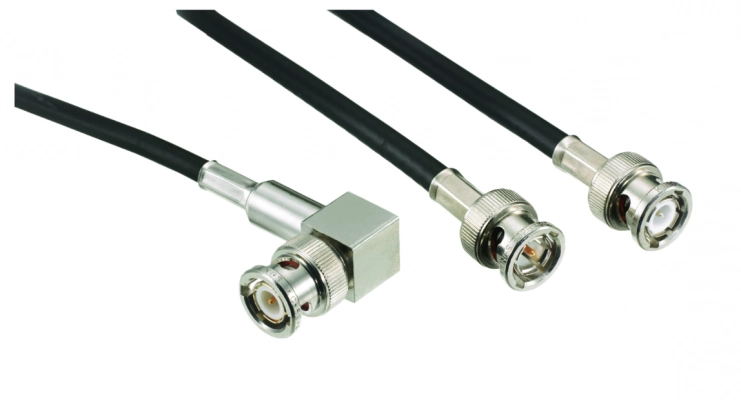
The Aptiv Interconnect BNC series is one of the most widely used coaxial RF connectors, designed for quick connect/disconnect applications. It features a reliable bayonet coupling mechanism for fast, secure connections with a quarter-turn. Operating typically up to 4 GHz, BNC connectors are available in both 50 Ohm and 75 Ohm versions, making them incredibly versatile. They are ideal for a vast array of low-to-mid frequency applications, including video, test equipment, and radio communications. Their robust design, ease of use, and cost-effectiveness ensure their enduring popularity.
Features and Benefits
- Bayonet Coupling: Allows for quick, secure connect and disconnect.
- Versatile Impedance: Available in 50 Ohm and 75 Ohm versions.
- Broad Frequency Range: Operates up to 4 GHz for various applications.
- Cost-Effective: More economical than high-frequency threaded connectors.
- Robust and Durable: Designed for frequent use and reliable performance.
- Wide Application Scope: Used in video, broadcast, test & measurement, and more.
- Various Termination Styles: Flexible options for cable attachment.
Specifications, Parts, and Filters
Similar Products
More From This Category
 3.5mm Series RF Connector
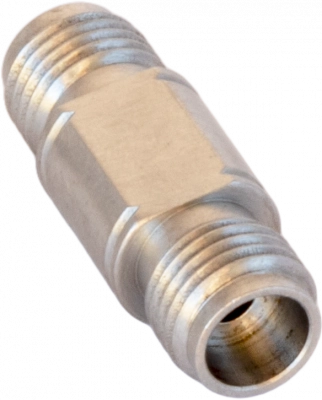
The Aptiv Interconnect 3.5mm RF connector is a high-performance precision coaxial connector...
 BMA Series Connector
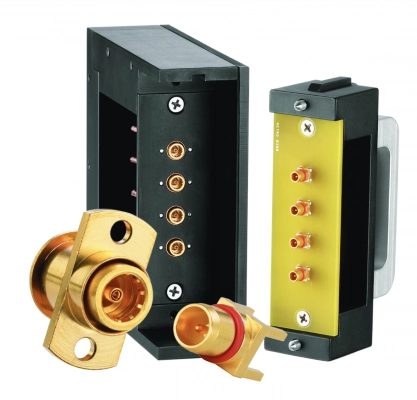
The Aptiv Interconnect BMA Series RF connector is a high-performance, slide-on/blind-mate coaxial...
 C Series RF Connector
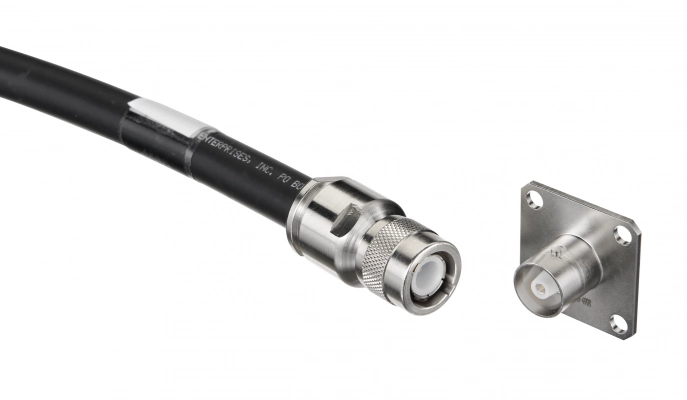
The C Series RF connector from Aptiv Interconnect is a rugged, weatherproof...
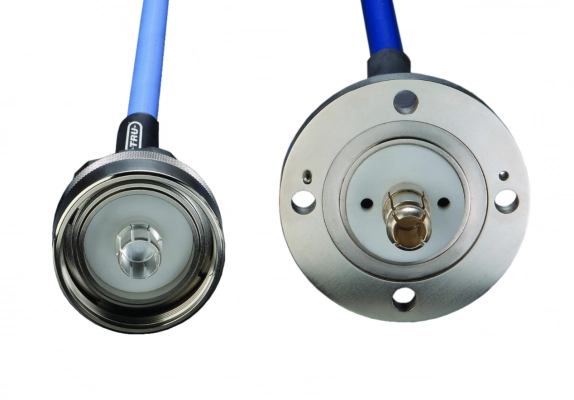 EIA & MEIA Series RF Connectors
Aptiv Interconnect's EIA (Electronic Industries Alliance) Series are the standard for high-power...

Find the Right Product for the Design
Access robust technical resources and expert engineering support to create interconnect solutions designed for demanding environments. From standard components to fully customized designs, we support every stage of the development process.